Grow Food in Limited Spaces
Cone gardens, sack farms and vegetable nurseries allow households to grow food without requiring large conventional plots.
Connecting small-space food production, sustainable beekeeping and mangrove conservation with Majoreni BMU Conservation in Kwale County, Kenya.
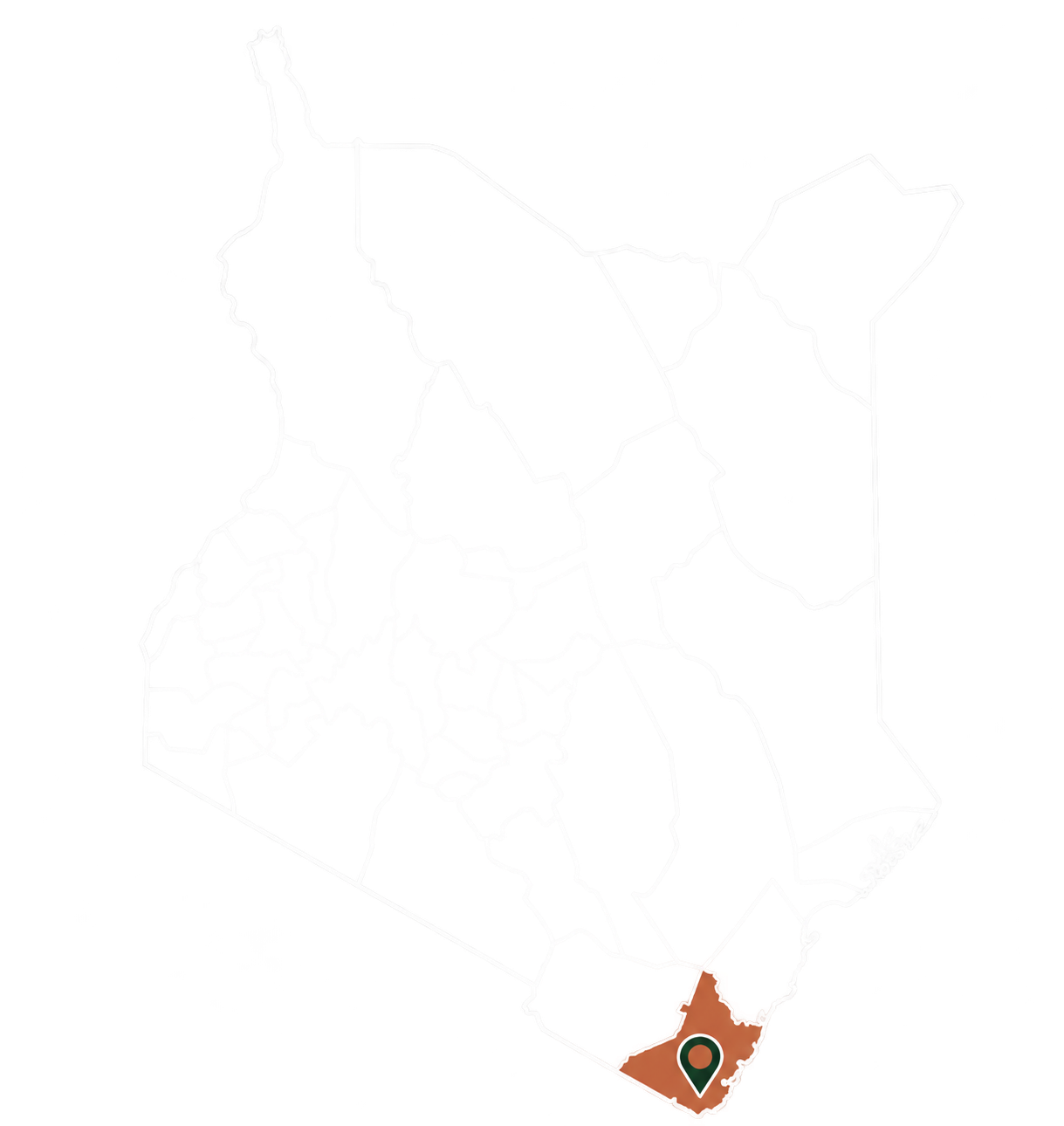
Majoreni is a coastal community where households depend on fishing, subsistence agriculture and the surrounding mangrove ecosystem. Land suitable for conventional cultivation is limited, but families still need reliable sources of food and income.
The project responds through two connected areas of work. Small-space regenerative agriculture supports household food production without requiring large plots, while mangrove honey creates an income opportunity that depends on keeping the mangroves standing, flowering and healthy.
The initiative is supported through Z Zurich Foundation and One Young World. Our joint initiative focuses on organic farming sensitization and kitchen garden development for vulnerable coastal communities. This strategic partnership addresses human extraction pressure on mangrove forests while building a sustainable, food-secure future for those living adjacent to these vital ecosystems.
Why These Activities Belong Together
Regenerative agriculture is not presented as a mangrove livelihood. It strengthens household food production where farming space is limited. Mangrove honey provides the direct connection between income and the continued health of the mangrove ecosystem.
Cone gardens, sack farms and vegetable nurseries allow households to grow food without requiring large conventional plots.
Organic manure and biopesticides can be prepared from locally available materials, reducing dependence on costly external inputs.
Mangrove honey creates an income opportunity that depends on healthy flowering mangroves and responsible hive management.
The Wider Coastal Context
Food production and mangrove stewardship are connected across the coastal communities where Casina Farms works. This short film introduces that wider relationship and the practical work taking place alongside communities.
Project Milestones
The milestones follow how the work has developed in Majoreni, beginning with locally prepared farm inputs and small-space food production, followed by apiary development and practical beekeeping.
Regenerative Agriculture Training
Community members learned how to prepare practical, low-cost farm inputs using materials available around them.
View milestoneSmall-Space Food Production
Participants established vegetable nurseries and learned practical ways to grow food where conventional farming space is limited.
View milestoneApiary Development
The community apiary was renovated, while a separate demonstration apiary was constructed at Casina Farms and stocked with ten hives.
View milestoneBeekeeping Training and Equipment
Introductory training, equipment and working apiaries provide a practical foundation for continued hive care and mangrove honey production.
View milestoneMilestone 01
Training on biopesticides and organic manure introduced practical ways of supporting soil health and managing crop pests without depending entirely on purchased chemical inputs.
The sessions focused on materials that participants can identify, prepare and continue using within their own food-growing spaces.
↑ Return to milestonesMilestone 02
Community members established vegetable nurseries and learned how to build cone gardens and sack farms. These systems make productive use of smaller spaces while keeping food production close to the household.
The work provides a practical starting point for growing vegetables, observing plant performance and adjusting methods according to local conditions.
↑ Return to milestonesMilestone 03
The community apiary was renovated and supplied with beekeeping equipment. A second apiary was constructed on land made available by Casina Farms for demonstration and continued practical learning.
The demonstration apiary is stocked with ten hives and provides a working place for hive observation, management and future training.
↑ Return to milestonesMilestone 04
Introductory beekeeping training covered the foundations of hive care, equipment use, colony observation and the conditions needed to support healthy bees.
Mangrove honey creates a direct relationship between income and conservation. Its production depends on flowering mangroves and on maintaining the wider ecosystem that supports the bees.
↑ Return to milestonesContinuing Work
Farmer visits follow the condition of vegetable nurseries, cone gardens and household sack farms. Hive checks document colony establishment, equipment use and conditions within the apiaries.
These observations help the community and Casina Farms identify what is working, what needs adjustment and which practices can be continued or shared with others.
This initiative is implemented by Casina Farms in collaboration with Majoreni BMU Conservation, with support made available through Z Zurich Foundation and One Young World.